Impact Project
Grassroots Digital Governance Advocacy for Youth (GDGAY)
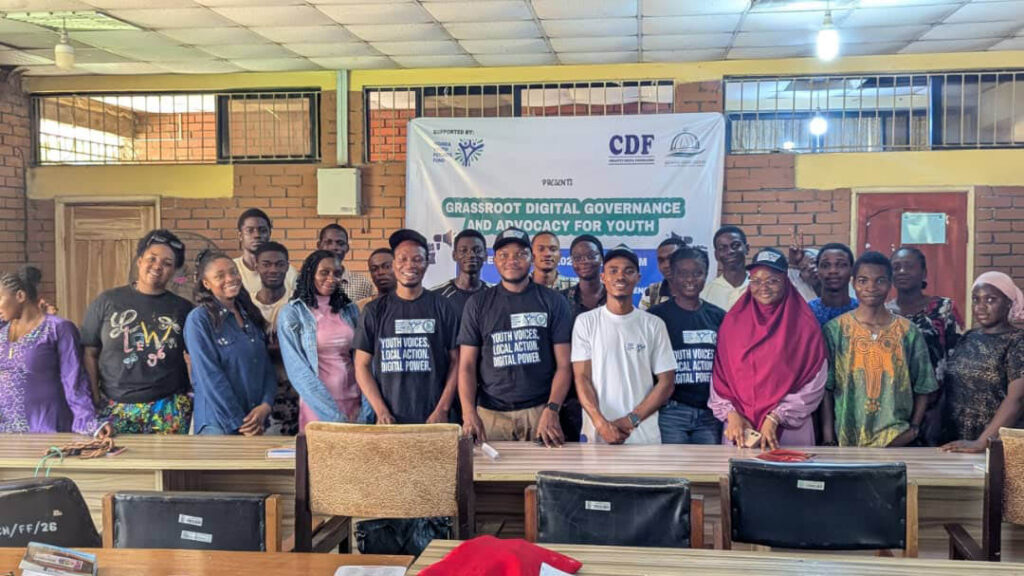
In a community where many young people could not name their local government representatives or understand how public funds are tracked, this project introduced a new kind of empowerment — civic awareness powered by digital tools.
The Grassroots Digital Governance Advocacy for Youth (GDGAY) project equips young people with the knowledge and tools to track government activities, demand accountability, and actively participate in governance.
It transforms passive citizens into informed, data-driven civic actors.
The Problem
Across many Nigerian communities:
- Youths lack basic knowledge of:
- Government structure
- Budget processes
- Their elected representatives
- Civic engagement is low
- Public accountability is weak
- Many youths feel disconnected from governance
This creates a gap where:
👉 Decisions are made without citizen participation
The Solution
GDGAY introduced a digital civic empowerment model that combines:
- Civic education
- Digital literacy
- Real-world application
Participants didn’t just learn — they:
👉 Practiced tracking real government projects and budgets
What Was Done
- Hosted a flagship training at LASUSTECH, Ikorodu
- Trained 30 youths (including persons with disabilities)
- Delivered sessions on:
- Civic leadership and governance structure
- Local government accountability
- Social media advocacy and ethical communication
- Use of civic-tech tools:
- Tracka
- BudgIT
- MyLGA
- Created:
- A post-event WhatsApp advocacy community
- Ongoing mentorship system
Impact & Results
- 30 youths trained (22 male, 8 female, including PWDs)
- 70% registered on civic-tech platforms immediately
- Participants began:
- Tracking local government projects
- Monitoring budgets
- Engaging in civic discussions
- Built a youth accountability network in Ikorodu
Real Impact (Behavioral Change)
This project didn’t just teach — it activated.
- Youths moved from ignorance → awareness
- From awareness → action
- From action → community influence
Example:
- A participant identified an abandoned drainage project and initiated community reporting efforts
Innovation
- Combines civic education + digital tools + real-world action
- Moves beyond theory into practical governance engagement
- Builds grassroots accountability systems led by youths
Challenges & Learning
- Low initial civic awareness among participants
- Time constraints for deep practical sessions
- Internet limitations
Key Insight:
When civic education is practical and tool-driven, youths engage faster and more meaningfully.
Sustainability & Scale
- Ongoing mentorship via WhatsApp community
- Continued engagement with civic-tech platforms
- Future plans:
- Expand to multiple LGAs
- Introduce policy dialogue sessions
- Build a youth-led civic accountability network